Learn the immediate steps for broken tooth treatment and emergency dental care to preserve your smile.
Seeing a piece of your tooth break off can be alarming, but knowing how to handle the situation can make a significant difference in saving it. In my practice, patients often ask me what to do immediately after an injury. This article provides essential guidance on broken tooth emergency treatment to help preserve your tooth structure until you can see a professional.
What to Do Right After a Broken Tooth
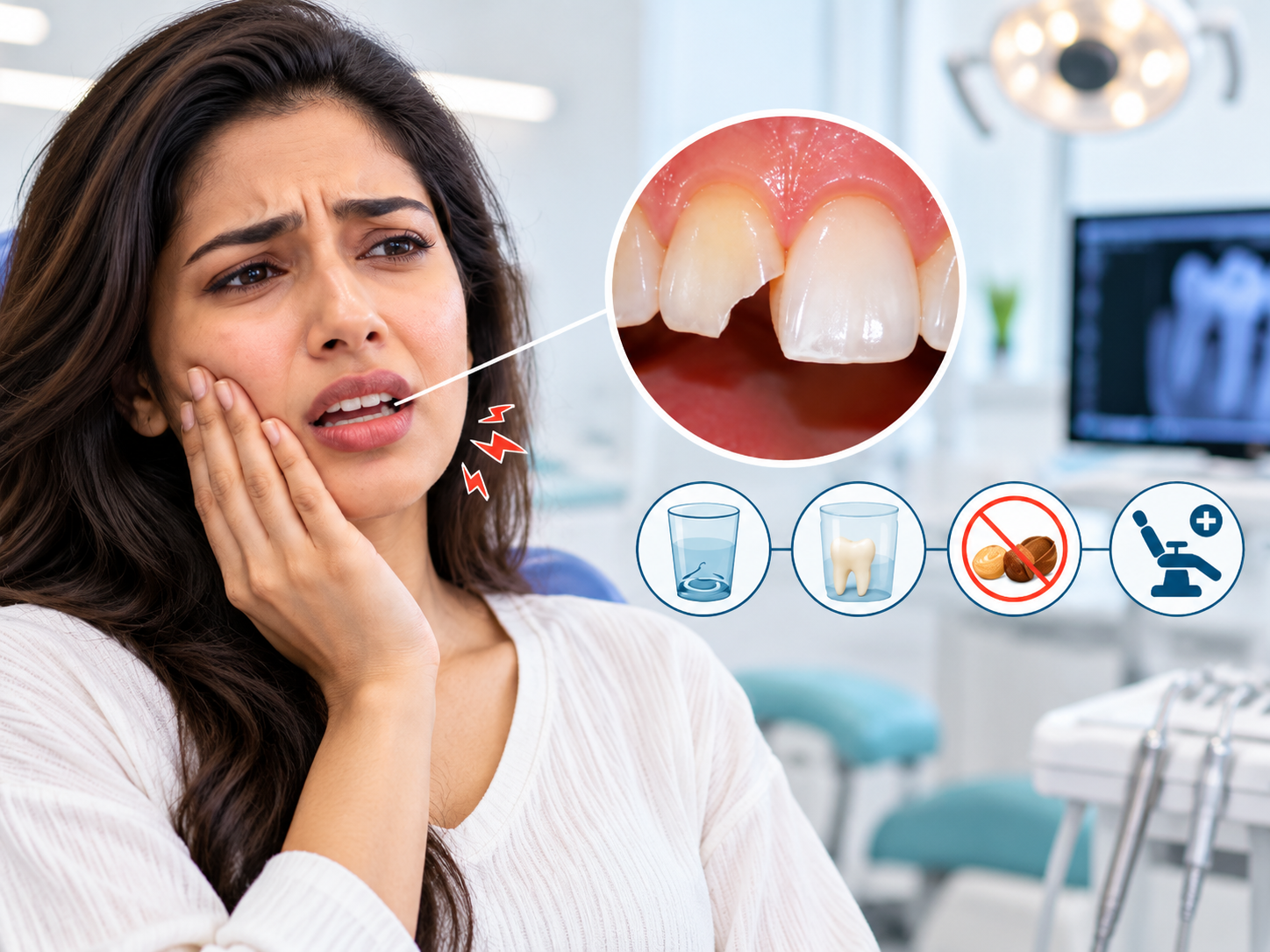
The first few minutes after an injury are critical. If you have broken a tooth, you should rinse your mouth gently with warm water. This helps clean the area and removes any debris. If you are bleeding, apply gentle pressure with a piece of clean gauze. You can also apply a cold compress to the outside of your cheek to reduce any swelling or pain. It is important to avoid using aspirin or any painkiller directly on the gum tissue, as this can cause tissue damage. Once the acute pain is managed, you should contact your dentist. You can learn more about what to expect during a visit to our clinic on our Your visit page.
Preserving the Broken Tooth Fragment
If the tooth broke cleanly and you have the fragment, do not throw it away. This piece may be reattached by your dentist. You should wrap the fragment in clean wet gauze or place it in a container of milk. If milk is not available, placing the fragment in your saliva is the next best option. Avoid scrubbing the fragment or using water, as this can damage the root surface. When you arrive at the clinic, bringing this piece with you gives our team the best chance of saving your natural tooth. Our comprehensive list of treatments includes restorative options designed to repair these types of injuries.
Managing Pain and Discomfort
Pain is often the most distressing symptom of a broken tooth. To manage this, you can take over-the-counter pain relievers such as ibuprofen or paracetamol, following the dosage instructions on the packet. A saltwater rinse can also help soothe the area and reduce the risk of infection. You should stick to a soft diet and avoid foods that are extremely hot, cold, or hard, as these can aggravate the sensitivity. If the broken tooth has exposed the inner dentin or pulp, you may experience sharp pain when consuming sweet or acidic foods. In these cases, waiting for professional care is vital, as the sensitivity indicates that the nerve may be compromised.
Treatment Options for a Broken Tooth
The treatment for a broken tooth depends largely on the extent of the damage. For minor chips, a simple dental bonding or filling may be sufficient to restore the tooth's appearance and function. However, if the break is larger or affects the tooth's structure significantly, a crown may be required. If the break has reached the nerve, a root canal treatment might be necessary to save the tooth. In cases where the tooth is too damaged to repair, we discuss options such as dental implants. Our team specialises in dental implants and root canal treatment to treat infections arising from trauma.
A broken tooth is a distressing experience, but prompt and appropriate care can often save your natural tooth. If you are dealing with a broken tooth, please do not delay seeking professional help. We are here to help you restore your smile and oral health. Please book a consultation at Dr. Varma's Dental Care today.